Manufacturing Diagnostic

Before the plant starts fixing symptoms, it needs to know what is actually driving the problem.

Most plants know when performance is off.

Throughput may be constrained. Quality may be unstable. A launch may be struggling. A ramp may be slipping. Equipment or automation investment may be under consideration. The symptoms are visible.

What is less obvious is where the real issue actually sits.

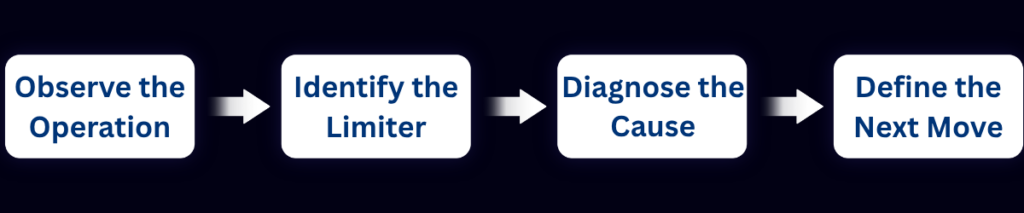
The Manufacturing Diagnostic is how Trueworx identifies what is limiting performance, what is driving it, and what path should come next.

What the Manufacturing Diagnostic Is

The Manufacturing Diagnostic is a structured plant-side engagement designed to answer one question:

What is actually limiting performance right now?

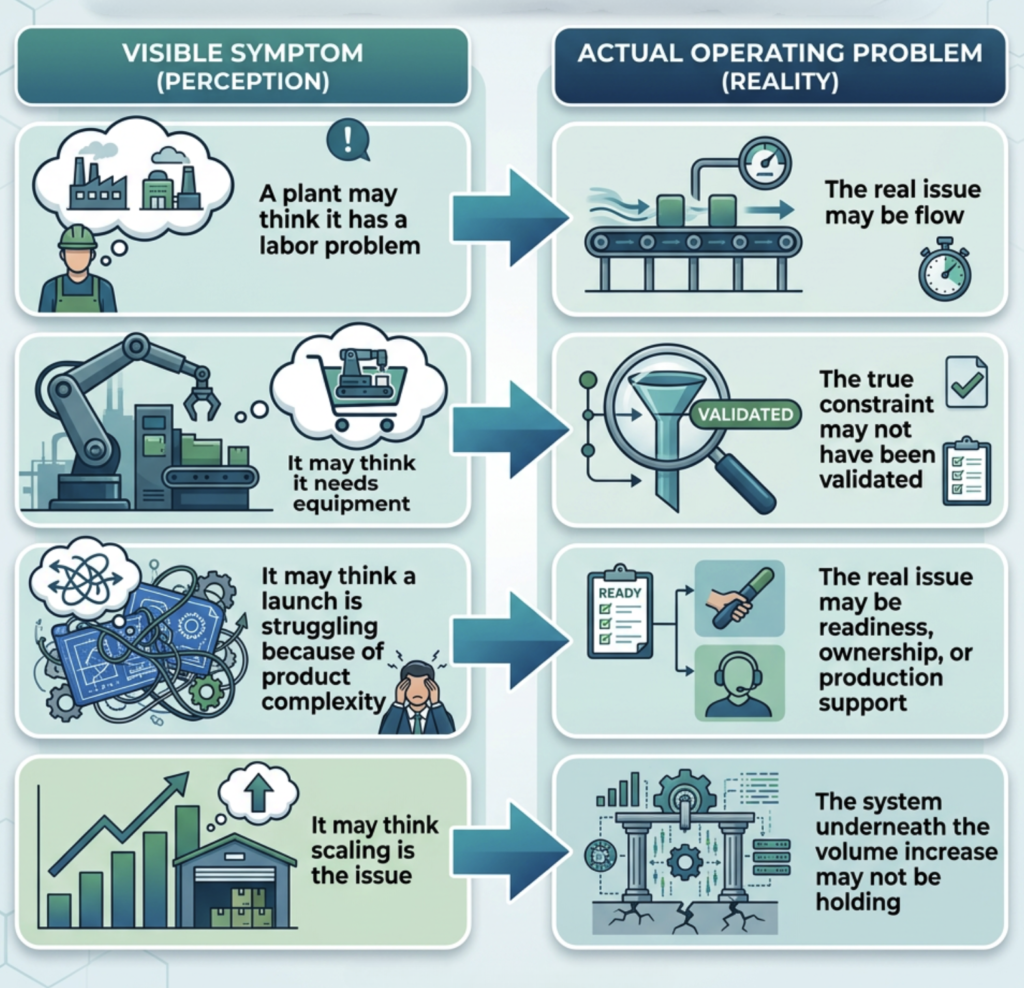
The Diagnostic separates the visible symptom from the actual operating problem.
That matters because plants do not improve by reacting faster to the wrong issue.
They improve when the real limiter is identified and the next move is aimed at the right place.

Why Manufacturers Need It

When a plant is under pressure, the natural reaction is to move fast and fix what is most visible.

That is where plants get into trouble. Labor gets added. More volume gets pushed. Capital starts moving. Quality issues get chased. NPI gets forced ahead. But the real limiter often does not move.

The Manufacturing Diagnostic exists to identify what is actually causing the problem so the plant can act on the right issue first.

Added Labor

More people are added, but the real bottleneck stays where it was.

More Volume

Additional demand is pushed into a system that is already unstable.

Capital Spend

Capital starts moving before the actual need is clearly defined.

Quality Firefighting

The plant reacts to defects without isolating the real source.

NPI Push

Launch activity is forced ahead while readiness gaps remain open.

Same Problem

The team stays busy, but the real limiter often does not move.

What It Helps Uncover

The Diagnostic is built to uncover the things that are hardest to see when the plant is already under pressure.

The goal is not to collect observations. The goal is to identify the real limiter and understand what is driving it.

The Real Limiter

Identify what is actually limiting throughput, quality, delivery, launch, or stability.

Problem Category

Determine whether the issue is process execution, NPI readiness, ramp weakness, capital need, or a combination.

Symptom vs. Cause

Separate what looks wrong from what is actually driving the loss.

True Bottlenecks

Identify where a real bottleneck exists and where the issue is something else.

Labor and Equipment Decisions

Clarify where labor is being consumed without improving output and whether equipment or automation is actually justified.

Flow and Execution Gaps

Surface gaps in flow, handoffs, ownership, role definition, or floor execution.

How the Diagnostic Works

Trueworx does not treat the Diagnostic like a remote assessment or a high-level consulting exercise.

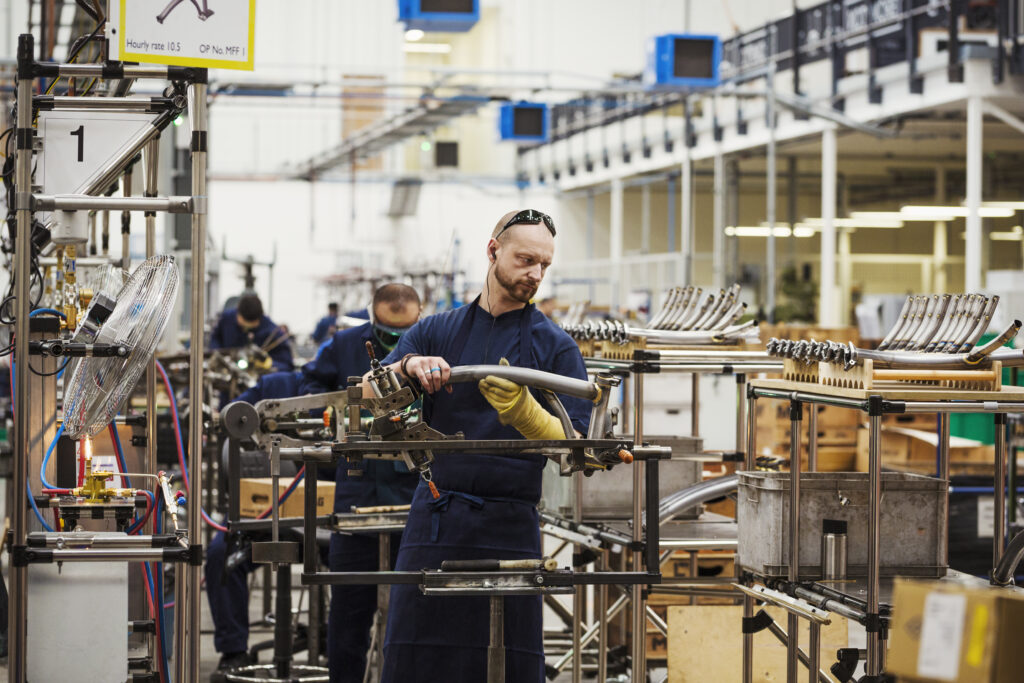
This is plant-level work done where the operation is actually running.

That can include:

  • Flow and constraint observation

  • Line or process walk-throughs

  • Review of output, quality, downtime, changeover, and delivery patterns

  • Observation of operator interaction, labor loading, and support response

  • Review of NPI, launch, or ramp conditions where relevant

  • Review of equipment or automation assumptions where relevant

  • Evaluation of how leadership, engineering, operations, and floor execution are interacting around the issue

The point is to see the system as it is operating, not talk about it from a conference room.

What You Leave With

The output of the Manufacturing Diagnostic is not a vague report.

The purpose is not to make the problem sound complex. The purpose is to make it visible enough to act on correctly.

  • A clear view of what is actually limiting performance.
  • A grounded sense of priority, not a random list of possible actions.
  • A more grounded read on what is creating the problem and why.
  • A next move based on what the operation actually needs, not what looked urgent at first.
  • Clarity on whether the problem points to Process Optimization, NPI, Scaling and Ramp, Capital Equipment and Automation, or more than one.

How It Connects to the Core-4 Specializations

The Manufacturing Diagnostic is the front door to the TrueWorx system.

Once the real limiter is identified, the work usually points into one or more of our four domains of expertise.

Process Optimization

When the issue is flow, execution, bottlenecks, unstable output, weak handoffs, role confusion, or poor floor-level operating discipline.

New Product Introduction

When the issue is readiness, launch discipline, ownership, process maturity, or the gap between development and production reality.

Scaling and Ramp

When the issue is not just rising demand, but whether the operating system underneath the increase can actually hold.

Capital Equipment and Automation

When the issue is tied to capacity, capability, or safety, and the plant needs to define the real requirement before moving into equipment or automation decisions.

This is why the Diagnostic matters. It helps determine which path is actually needed before the plant commits effort in the wrong direction.

When Trueworx Is the Right Fit

The Manufacturing Diagnostic is the right starting point when:

Trueworx is the right fit when the plant needs a practical diagnostic, not a high-level assessment.

Start with the Manufacturing Diagnostic

Most manufacturing problems do not start with a lack of effort.

They start when the plant is acting before the real issue is fully understood.

The Manufacturing Diagnostic is how Trueworx helps identify what is actually limiting performance, understand what is causing it, and define the right next move.

Before adding labor, pushing more volume, moving forward on equipment or automation, or forcing a launch ahead, make sure the plant is solving the right problem.
What happens next:

After booking, we align on the plant issue, the current operating condition, and what needs to be observed first.

Then the work starts where it should: at the floor, inside the system, focused on the real limiter.